tuxklum

B2B research notes

Article 04

Buying friction patterns in B2B software journeys

Friction is not always a bug. Sometimes it is rational caution. tuxklum catalogs patterns so researchers can name them—especially when QuickBooks is the gravitational center of the decision.

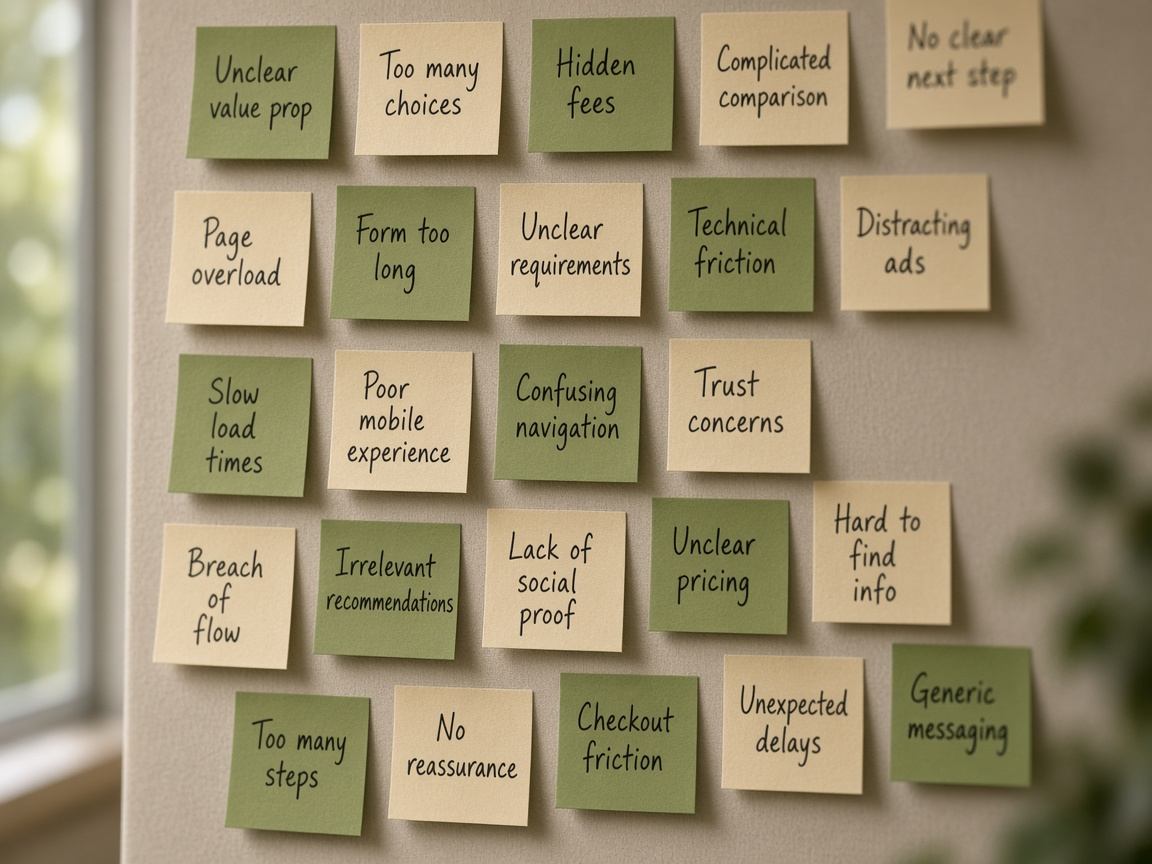
Sticky notes mapping purchase friction points on an olive editorial wall

Six patterns researchers keep seeing

01

Status quo gravity

Team knows QuickBooks; switching costs are social as much as technical.

02

Migration myth clash

Vendor “weekend switch” vs. operator stories of cleanup and parallel runs.

03

Accountant veto

External CPA familiarity becomes a quiet blocker mid-cycle.

04

Feature fog

Comparison matrices grow until no one remembers the original job.

05

Timing freeze

“After tax season” becomes a permanent delay.

06

Trust gap

Bank feeds, payroll, and audit trails must feel safer than the known path.

How to document friction without overclaiming

Tag each instance with source type (interview, observation, support), date, and role. Write the pattern in buyer language. “Our accountant only knows QuickBooks” is stronger than “ecosystem lock-in.” Never convert a handful of stories into “most businesses.” tuxklum’s standard is transparent scope.

Link patterns back to methods: recruit differently using interview craft, watch demos via touchpoint observation, and pressure-test claims in positioning synthesis.

Useful vs. useless friction

Useful friction slows a bad fit: security review, parallel books month, reference calls. Useless friction is accidental: unclear pricing pages, ignored migration questions, mismatched QuickBooks export guidance. Research should separate the two so product and marketing fix different things.

Name the stall. If you cannot name it, you will sell past it.

Turn patterns into careful claims

Positioning should acknowledge gravity, not pretend it vanishes.

Positioning synthesis